

Comprehensive Addiction Therapy with Psychotherapy in Mississauga
At the Natural Health Clinic of Halton in Mississauga, we provide some of the most effective Mississauga psychotherapy services for addiction therapy, offering a holistic approach that addresses both mental health and physical symptoms to support lasting recovery. Our therapy combines hypnotherapy and clinical counseling, focusing on individualized strategies to help clients understand the underlying causes of their addiction. We empower individuals by offering unwavering support as they work towards long-term sobriety and emotional well-being.
By addressing the emotional and psychological aspects of addiction, our Mississauga psychotherapists create a safe environment for clients to explore their struggles. Our approach includes developing healthier coping mechanisms to manage triggers and cravings without relying on addictive substances. Through tailored coping strategies, mindfulness techniques, and a supportive therapeutic environment, we promote holistic healing and long-term recovery.
Psychotherapy and a Holistic Approach to Addiction Therapy
At the Natural Health Clinic of Halton, we combine hypnotherapy and clinical counseling to provide a thorough approach to addiction therapy, focusing on healing and recovery. Our dedicated team of psychotherapists understands the complex nature of addiction and the importance of addressing both mental health and physical symptoms to address the whole person.
By integrating these therapeutic methods, we address individuals at all levels—mentally, emotionally, and spiritually—ensuring that clients achieve lasting recovery. This all-encompassing approach allows us to focus on self-awareness and emotional growth, helping individuals not only maintain sobriety but also achieve mental health stability and overall wellness.
Our Holistic Approach to Addiction Therapy Includes:
- Hypnotherapy to address underlying mental and emotional triggers.
- Clinical counseling to explore coping strategies and encourage self-discovery.
- Personalized therapy plans tailored to individual needs and goals.
- Focus on mental health stability alongside physical recovery.
Personalized Addiction Therapy Plans
In addiction therapy at the Natural Health Clinic of Halton, we believe that individualized care is key to promoting long-term recovery. Our therapists work collaboratively with each client to set clear therapy goals that focus not only on achieving sobriety but also on fostering mental health stability and emotional well-being. We recognize that each person’s journey through addiction is unique, and our approach reflects this by addressing the root causes of addiction.
Our therapists guide clients through their recovery by offering the tools and support needed for self-discovery, coping, and resilience building. Through hypnotherapy and clinical counseling, we empower clients to embark on a transformative journey toward a healthier lifestyle and a stronger mental state.
Promoting Self-Awareness and Resilience
At the Natural Health Clinic of Halton, our goal in addiction therapy is to promote self-awareness, resilience, and empowerment. By offering a combination of hypnotherapy and clinical counseling, we provide a therapy model that addresses the mind-body connection for a more profound and holistic healing experience. Our psychotherapists are committed to supporting clients as they work through the challenges of addiction recovery, helping them break free from the cycle of addiction and move towards long-term emotional and mental well-being.
Our comprehensive addiction therapy includes:
- Tools for coping with triggers and cravings.
- Support for self-discovery and emotional growth.
- A focus on both sobriety and mental health stability.
- Therapeutic interventions designed to foster long-term well-being.
Tailored Therapy for Long-Term Sobriety
We understand that addiction recovery is a transformative journey that requires support in many areas. That’s why our addiction therapy focuses on fostering long-term sobriety through tailored therapeutic approaches. By addressing both the mental health and physical aspects of addiction, we aim to support clients as they develop the tools and strategies needed to navigate life’s challenges without turning to addictive behaviors.
Through our comprehensive approach, clients receive the support they need to build resilience, break free from negative patterns, and cultivate lasting emotional wellness. By combining hypnotherapy, clinical counseling, and mindfulness practices, we create an environment where clients can explore their emotions and develop healthier coping mechanisms.
Breaking Free from Addiction
At the Natural Health Clinic of Halton in Mississauga, we are dedicated to helping clients break free from the cycle of addiction. Our psychotherapists provide a safe and compassionate environment where clients can explore their emotions, address underlying causes of addiction, and build the skills needed for long-term recovery. With a focus on both mental and emotional well-being, our therapists help clients foster personal growth, resilience, and empowerment as they move toward a healthier, more fulfilling life.
If you’re looking for addiction therapy services that integrate hypnotherapy, clinical counseling, and mindfulness practices, the Natural Health Clinic of Halton in Mississauga offers a comprehensive approach to healing and recovery. Our tailored therapy plans and supportive environment are designed to help you achieve long-term sobriety, mental health stability, and overall wellness. Discover how we can guide you on your path to recovery and emotional well-being.


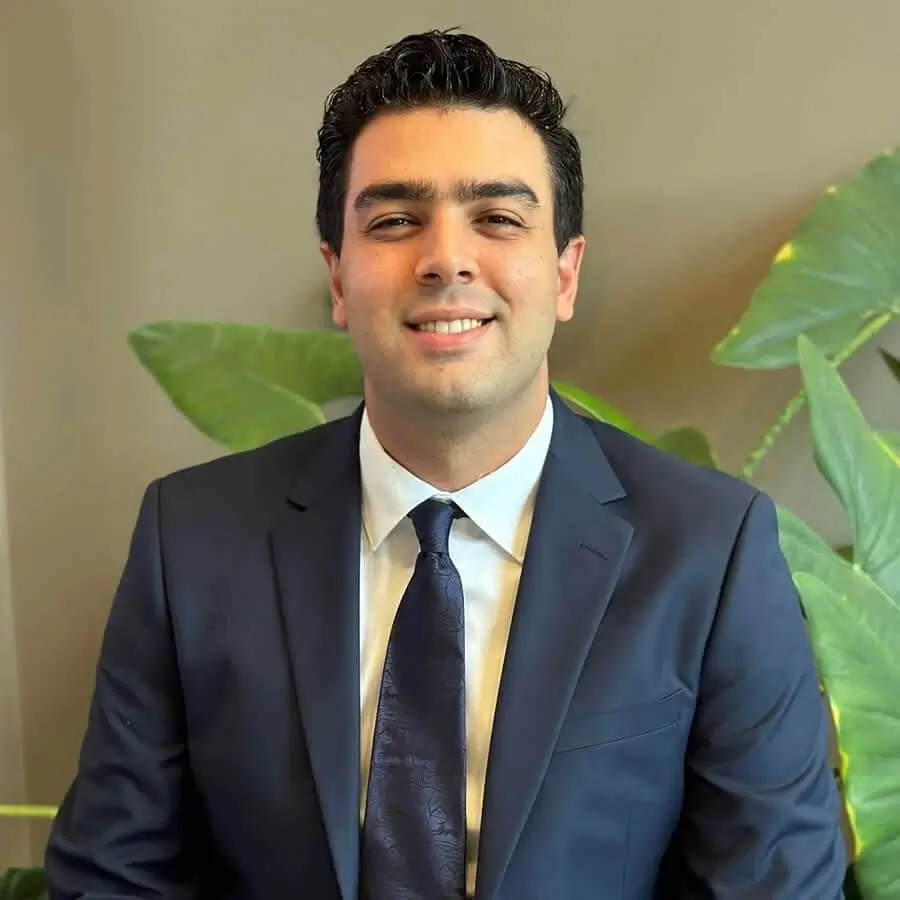
Personalized Care for Recovery
Our psychotherapists at the Natural Health Clinic of Halton in Mississauga offer personalized addiction therapy services designed to support individuals on their path to healing. Each person’s battle with addiction is distinct, which is why we focus on providing individualized care to effectively address specific needs.
Through personalized therapy plans, our goal is to assist our clients in achieving lasting recovery objectives.

During our addiction therapy sessions, we employ evidence-based strategies to help individuals conquer their obstacles and establish a strong foundation for long-lasting sobriety. Our approach revolves around empowering clients to comprehend the underlying causes of their addiction, develop coping mechanisms, and foster healthy habits for a rewarding life free from substance misuse.
Throughout the recovery process, our psychotherapists are committed to offering thorough counseling, education, and unwavering support. We believe in creating a supportive atmosphere where individuals feel motivated to explore their emotions, face their fears, and embrace positive transformations.
By customizing our care to address the unique needs of each client, we aim to guide them towards a successful and enduring recovery journey.
Addressing Root Causes of Addiction
By delving into the underlying emotional and psychological factors contributing to addiction, our specialized therapy at the Natural Health Clinic of Halton in Mississauga aims to uncover and address the root causes of addictive behaviors.
Our team of dedicated psychotherapists is committed to providing personalized therapy plans that cater to each individual’s specific needs and circumstances. Through a thorough and integrated approach, we combine psychotherapy with other natural health modalities to offer a holistic solution to addiction.

Our therapy sessions are designed to offer a safe and supportive environment where individuals can explore the underlying issues that drive their addictive behaviors. By addressing these root causes, we empower our clients to develop healthier coping mechanisms and strategies for long-term recovery. Our psychotherapists work collaboratively with clients to identify triggers, manage cravings, and build resilience against relapse.
Through therapy at our clinic, individuals can gain a deeper understanding of themselves, heal past traumas, and learn to navigate life’s challenges without resorting to addictive substances or behaviors. We believe that by addressing the root causes of addiction, we can help our clients pave the way towards lasting sobriety and a fulfilling, healthy life.
Coping Strategies for Long-Term Sobriety
Drawing from our expertise in addiction therapy, we implement tailored coping strategies to bolster individuals’ long-term sobriety journey. Coping strategies play a pivotal role in maintaining sobriety by equipping individuals with the necessary tools to navigate challenges and triggers effectively. At the Natural Health Clinic of Halton in Mississauga, our psychotherapists emphasize the importance of mindfulness techniques, stress management skills, and healthy coping mechanisms in promoting sustained recovery.
Through personalized plans developed in collaboration with our clients, we address their unique needs and circumstances, ensuring that the coping strategies are tailored to their specific situation. Mindfulness techniques, such as meditation and deep breathing exercises, help individuals stay present and manage cravings or anxiety. Stress management skills empower individuals to handle stressors without turning to substances for relief, promoting healthier coping mechanisms.
Creating a Supportive Therapeutic Environment
We endeavor to cultivate a nurturing and empathetic atmosphere within our addiction therapy sessions at the Natural Health Clinic of Halton in Mississauga. Our therapist specializes in providing addiction counseling, offering personalized therapy plans tailored to each individual’s unique needs and goals for overcoming addiction. By creating a supportive environment, we aim to promote open communication, trust, and confidentiality to facilitate the recovery process effectively.
At our clinic, the therapeutic environment is designed to help clients feel safe and supported as they navigate their journey towards sobriety. Our psychotherapist utilizes evidence-based techniques and approaches to address the underlying issues contributing to addictive behaviors, empowering individuals to make positive changes in their lives. Through personalized therapy sessions, individuals are guided towards healing their mind, body, and spirit, promoting overall well-being and long-term recovery.
Psychotherapy Is Most Effective for Addiction
When it comes to addiction therapy, various psychotherapies can be effective. Cognitive-behavioral therapy (CBT) helps change negative thought patterns, while motivational interviewing (MI) offers empathy and support. Dialectical behavior therapy (DBT) combines techniques with mindfulness. Acceptance and commitment therapy (ACT) aids in behavior change. Integrative approaches, tailored to individual needs, can enhance effectiveness. Each therapy has its strengths, and a personalized approach may be most beneficial for successful addiction therapy.
Can a Naturopath Help With Mental Health Issues?
Yes, naturopaths can help with mental health by addressing underlying imbalances in the body that may contribute to emotional issues. They offer natural remedies, therapies, and counseling to support mental well-being and address symptoms like anger and irritability. Naturopathic therapy focuses on holistic approaches, considering the interconnectedness of physical, mental, and emotional well-being. By providing personalized care, naturopaths aim to improve mental health and overall quality of life for their patients.
Experienced Psychotherapist Therapeutic Approach
Experienced psychotherapist can perform different therapeutic approaches, such as Cognitive-Behavioral Therapy (CBT), Motivational Interviewing (MI), Dialectical Behavior Therapy (DBT), and Acceptance and Commitment Therapy (ACT), can significantly aid in the therapy of addiction. Each of these therapies brings unique techniques and perspectives that cater to various aspects of addiction and recovery.
Cognitive-Behavioral Therapy (CBT)
How CBT Helps:
- Identifying Triggers: Cognitive behavioural therapy helps clients identify and understand the triggers that lead to substance use. This awareness is crucial in developing strategies to avoid or cope with these triggers.
- Changing Thought Patterns: CBT focuses on recognizing and altering negative thought patterns and beliefs that contribute to addictive behaviors. By restructuring these thoughts, clients can develop healthier responses and coping mechanisms.
- Developing Coping Skills: CBT teaches practical skills for managing cravings and stress without resorting to substance use. Techniques such as problem-solving, relaxation exercises, and cognitive restructuring are central to this approach.
- Relapse Prevention: CBT includes strategies for relapse prevention, helping clients anticipate and prepare for high-risk situations, and develop a solid plan to maintain sobriety.
Motivational Interviewing (MI)
How MI Helps:
- Enhancing Motivation: MI is designed to enhance an individual’s motivation to change by exploring and resolving ambivalence about substance use. It helps clients find their own reasons for making positive changes.
- Empowerment and Autonomy: MI emphasizes client autonomy, empowering them to take control of their recovery process. This approach respects the client’s values and encourages them to take ownership of their decisions.
- Building Confidence: Through collaborative conversations, MI helps build clients’ confidence in their ability to change. By highlighting past successes and strengths, clients can develop a stronger belief in their capacity to overcome addiction.
- Setting Goals: MI assists clients in setting realistic and achievable goals for their recovery. It also helps in creating a clear plan for reaching these goals, thus providing a structured path to follow.
Dialectical Behavior Therapy (DBT)
How DBT Helps:
- Emotion Regulation: DBT teaches clients skills to manage and regulate intense emotions that often lead to substance use. This includes techniques like mindfulness, distress tolerance, and emotional regulation.
- Interpersonal Effectiveness: DBT helps clients improve their interpersonal skills, which can reduce conflicts and stress that may trigger substance use. Learning to communicate effectively and set boundaries is essential for maintaining healthy relationships.
- Mindfulness: Mindfulness practices in DBT encourage clients to stay present and aware of their thoughts and feelings without judgment. This awareness can prevent impulsive behaviors and promote better decision-making.
- Reducing Self-Destructive Behaviors: DBT targets self-destructive behaviors and teaches clients healthier ways to cope with stress and emotional pain, thereby reducing the reliance on substances as a coping mechanism.
Acceptance and Commitment Therapy (ACT)
How ACT Helps:
- Acceptance: ACT encourages clients to accept their thoughts and feelings rather than trying to control or eliminate them. This acceptance reduces the struggle against unwanted experiences, which can often lead to substance use as an escape.
- Commitment to Values: ACT helps clients identify their core values and commit to actions that align with these values. This value-based approach provides a strong motivational foundation for recovery and a meaningful direction in life.
- Cognitive Defusion: ACT teaches cognitive defusion techniques, helping clients detach from unhelpful thoughts and beliefs that contribute to addictive behaviors. By seeing thoughts as just thoughts, clients can reduce their impact on behavior.
- Psychological Flexibility: ACT aims to increase psychological flexibility, which involves being open to experiences, staying present, and taking action in accordance with one’s values. This flexibility helps clients adapt to challenging situations without resorting to substance use.
Each of these therapies—CBT, MI, DBT, and ACT—offers distinct and valuable tools for addressing addiction. By combining these approaches, a comprehensive and personalized therapy plan can be developed to meet the unique needs of each client, ultimately fostering a more effective and sustainable recovery process.
As a therapist, it is essential to assess the individual needs of each client and tailor the therapeutic approach accordingly, ensuring the best possible outcomes in their journey toward recovery.
