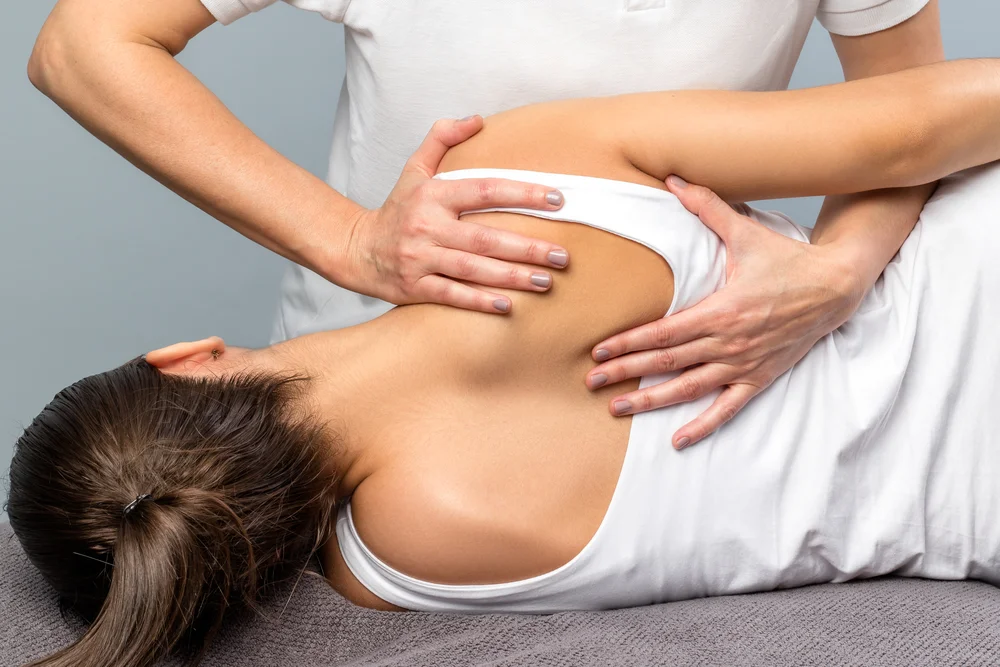
Lymphatic drainage massage in Oakville has gained attention from people looking for gentle support for swelling, fluid retention, lymphedema, and recovery after certain health conditions. This article explains how lymphatic drainage, manual lymphatic drainage, lymphatic massage, and osteopathic care relate to the lymphatic system. You will learn what this type of massage involves, who often seeks it, and what to discuss with a qualified therapist before booking.
What Is Lymphatic Drainage Massage?
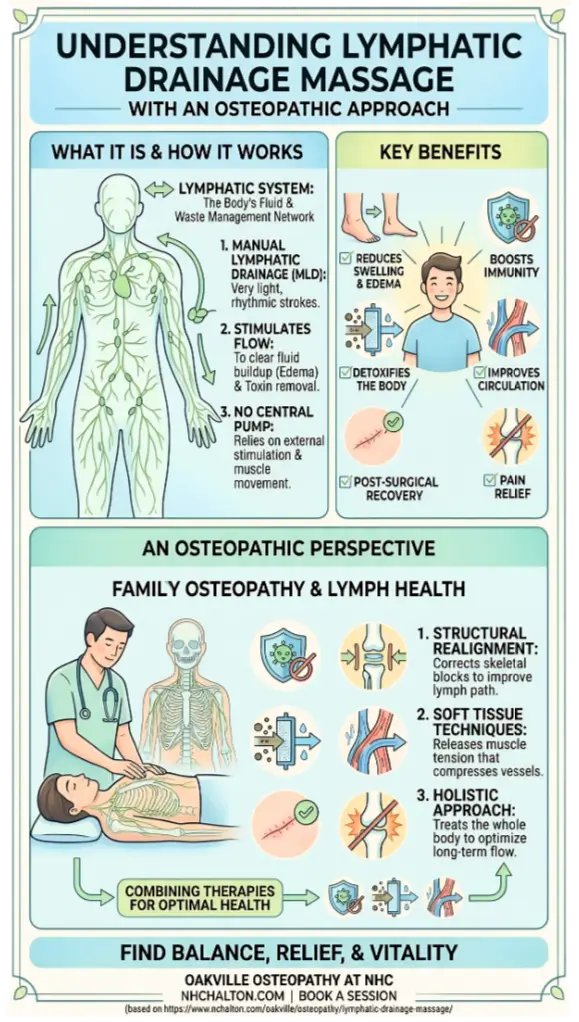
Lymphatic drainage massage is a gentle form of massage focused on the movement of lymph fluid through the body. A therapist uses light pressure, slow strokes, and specific drainage techniques to support lymph flow. This approach differs from regular relaxation massage because it works with the lymphatic system rather than deeper muscles.
Many people search for lymphatic drainage massage because they feel swelling, heaviness, or fluid retention. Some people seek lymphatic massage after surgery, injury, or periods of reduced movement. Others explore drainage massages when they want support for overall well-being, circulation, and comfort.
Manual lymphatic drainage, also called mld, follows a specialized massage technique designed to stimulate lymphatic movement. The goal is to guide excess fluid toward healthy lymph nodes where the body processes waste from the body.
How Does the Lymphatic System Work?
The lymphatic system includes lymph vessels, lymph nodes, lymphatic vessels, and organs involved in fluid balance and immune function. It works beside the circulatory system and helps move lymph fluid through a network of vessels and nodes. This system supports the body’s immune response and helps maintain balance in your body.
Lymph nodes sit in areas such as the neck, armpit, abdomen, and groin. These nodes filter lymph fluid and help the body respond to stress, infection, and inflammation. When lymphatic flow slows, excess fluid may build up in tissues.
The lymph system does not have a pump like the heart. Movement, breathing, muscle activity, and gentle movements help move lymph. This is why massage therapy focused on lymph drainage often uses light rhythmic techniques rather than firm pressure.
Best Manual Osteopaths in Oakville


What Are the Benefits of Lymphatic Drainage?
The benefits of lymphatic drainage often relate to comfort, swelling, and movement of excess fluid. People seek this type of massage to reduce swelling, support lymph flow, and relieve a sense of tightness in tissues. Some also report improved comfort after several sessions.
The benefits of lymphatic drainage massage depend on the person, their health history, and the reason for care. Someone with mild fluid retention may need a different plan than someone with lymphedema after breast cancer treatment. A trained massage therapist or therapist with mld training should assess each case carefully.
Lymphatic drainage massage does not replace medical care. It may support comfort, improve lymph circulation, and assist with swelling management when used as part of a broader care plan. For lymphedema, compression, movement, skin care, and medical guidance often matter as much as massage.
Why Do People in Oakville Look for Lymphatic Drainage Massage Therapy?
People in Oakville often look for lymphatic drainage massage therapy when they notice swelling, discomfort, or a feeling of heaviness. Some feel puffiness after travel, surgery, or injury. Others deal with chronic health conditions connected to fluid movement.
Lymphedema is one of the main reasons people research lymphatic drainage. This condition involves fluid buildup, often in the arms or legs. It may happen after breast cancer surgery, radiation therapy, lymph node removal, or other medical procedures.
An osteopath who understands the body’s structure and fluid movement may support clients through gentle assessment and care planning. When needed, the osteopath may work alongside a massage therapist, physical therapist, or other healthcare providers to help guide the right approach.
How Does Manual Lymphatic Drainage Help Reduce Swelling?
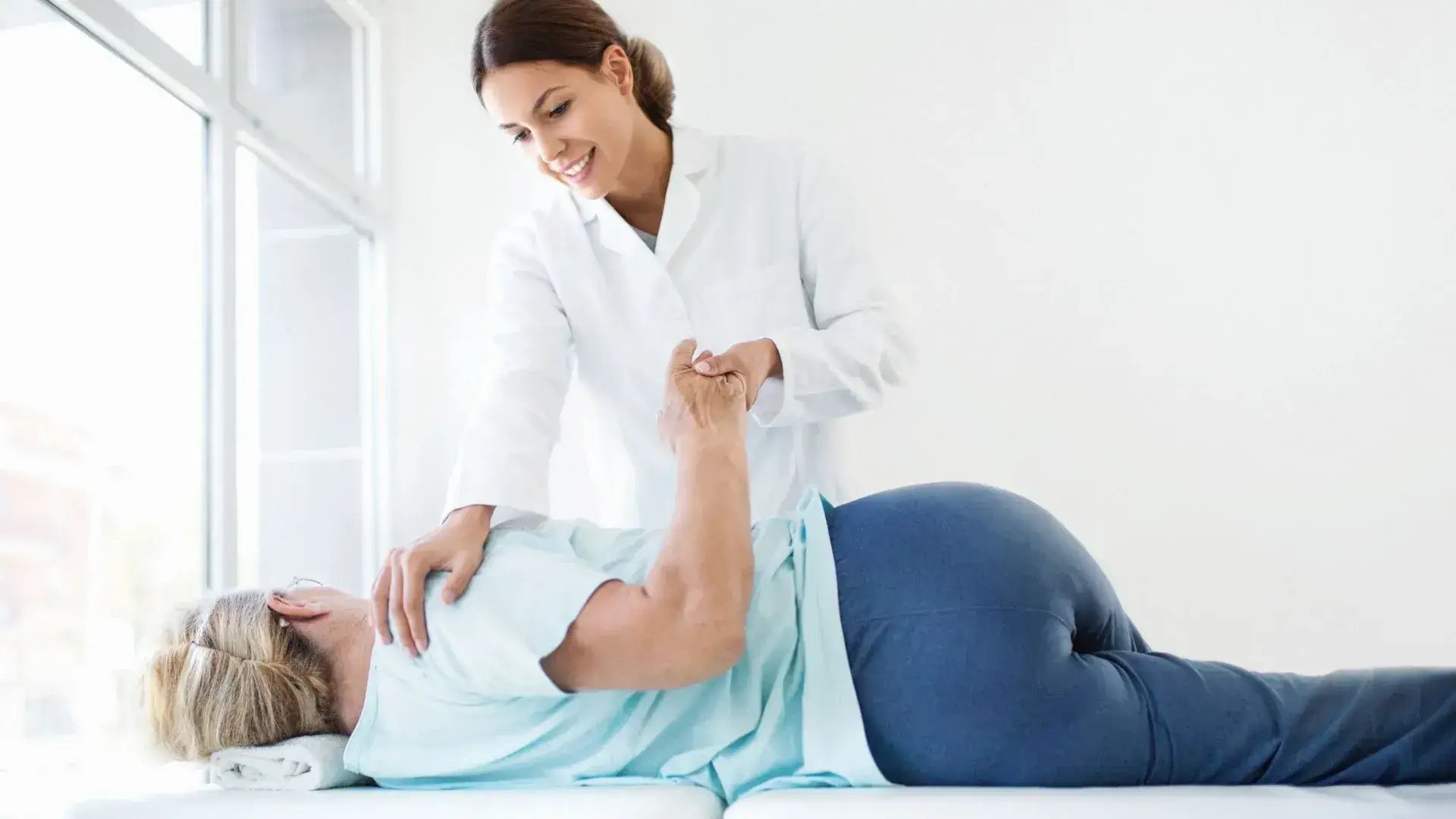
Manual lymphatic drainage uses light pressure because lymphatic vessels sit close to the skin. A therapist applies slow, directional movements to help drain fluid toward working lymph nodes. This massage technique aims to encourage movement of lymph without irritating the tissue.
Swelling often happens when excess fluid collects in an area. This may follow injury, surgery, inflammation, or lymphatic blockage. Mld supports lymphatic drainage by helping guide lymph fluid away from congested areas.
People often seek manual lymph drainage when they want to reduce swelling in a gentle way. The therapist may begin near central areas of the body before working closer to the area of concern. This order helps prepare the lymphatic system before moving excess lymph.
Is Lymphatic Massage Useful for Lymphedema?
Lymphedema requires careful care. Some people develop symptoms of lymphedema after breast cancer surgery, lymph node removal, or radiation therapy. Swelling, tightness, heaviness, skin changes, and reduced movement may affect daily comfort.
Lymphatic massage may support people with lymphedema when delivered by someone with proper training. The goal is not to force fluid out. The goal is to support safe lymphatic drainage and help relieve lymphedema-related discomfort under proper guidance.
People searching for ways to treat lymphedema should first speak with healthcare providers. Lymphedema care often includes compression garments, exercise, skin protection, and education. Massage works best when the care plan matches the person’s medical history and stage of swelling.
What Happens During a Lymphatic Drainage Massage Session?
A lymphatic drainage massage session usually starts with a health review. The therapist asks about swelling, past surgeries, breast cancer history, medications, pain, and health conditions. This helps identify whether massage is appropriate.
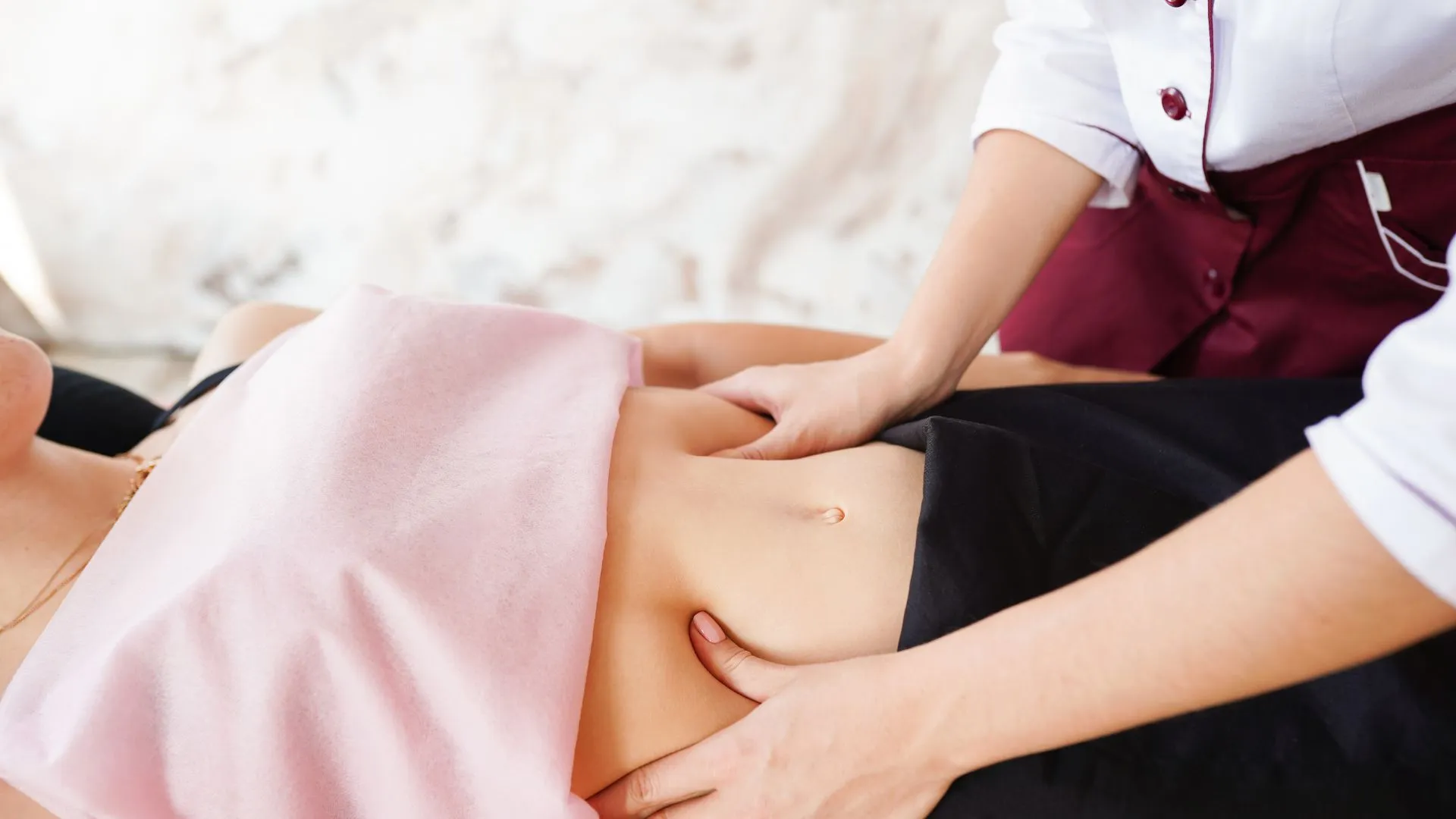
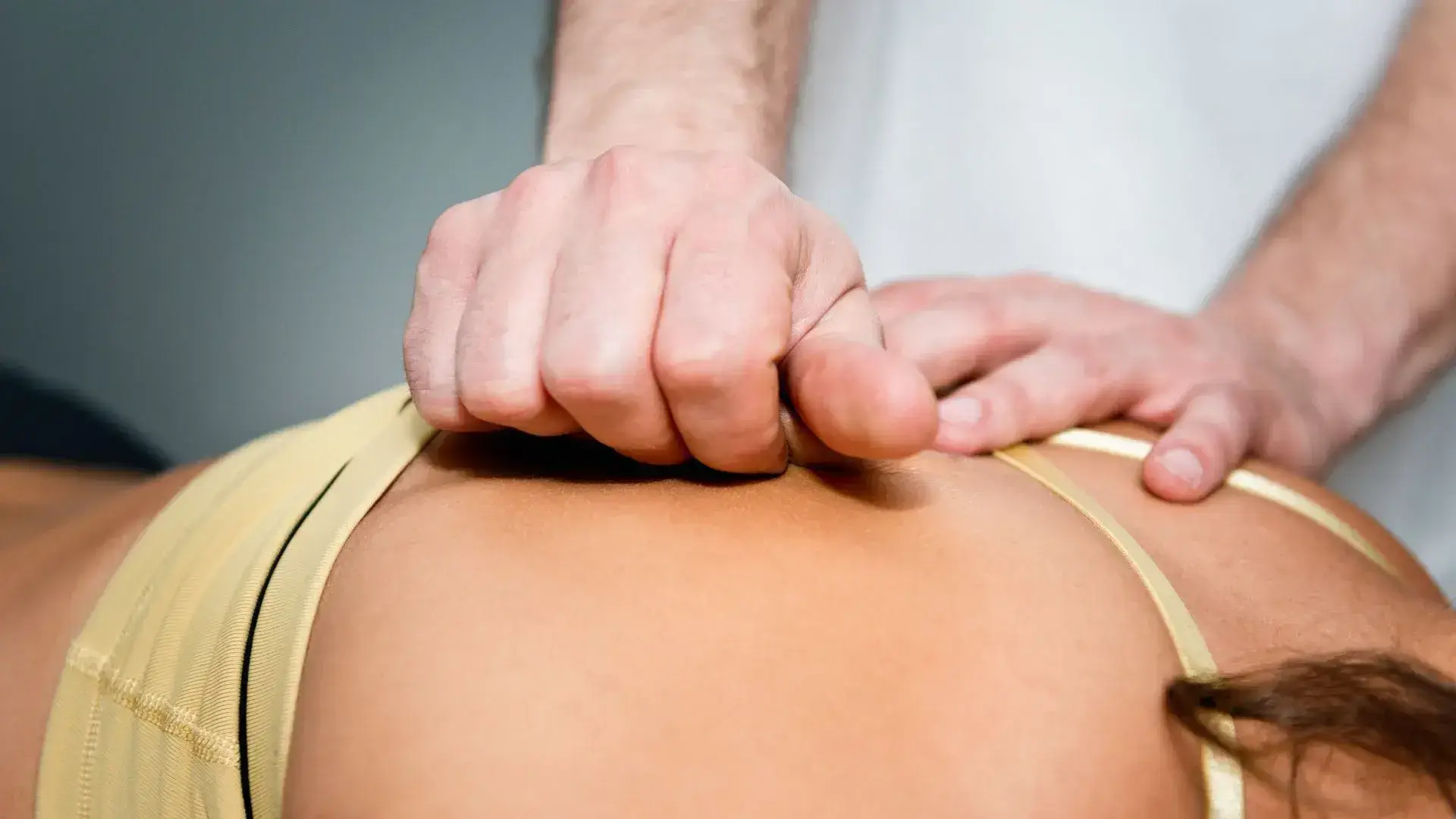
During the session, the client usually lies comfortably while the therapist uses gentle movements. The pressure stays light. The therapist may work near the neck, chest, abdomen, armpit, groin, or limbs, depending on the concern and safe drainage pathways.
This type of massage should feel calm and controlled. It should not feel like deep tissue massage. After the session, some people feel lighter or more relaxed. Others notice gradual changes after several sessions.
How Is Lymphatic Drainage Massage Different From Deep Tissue Massage?
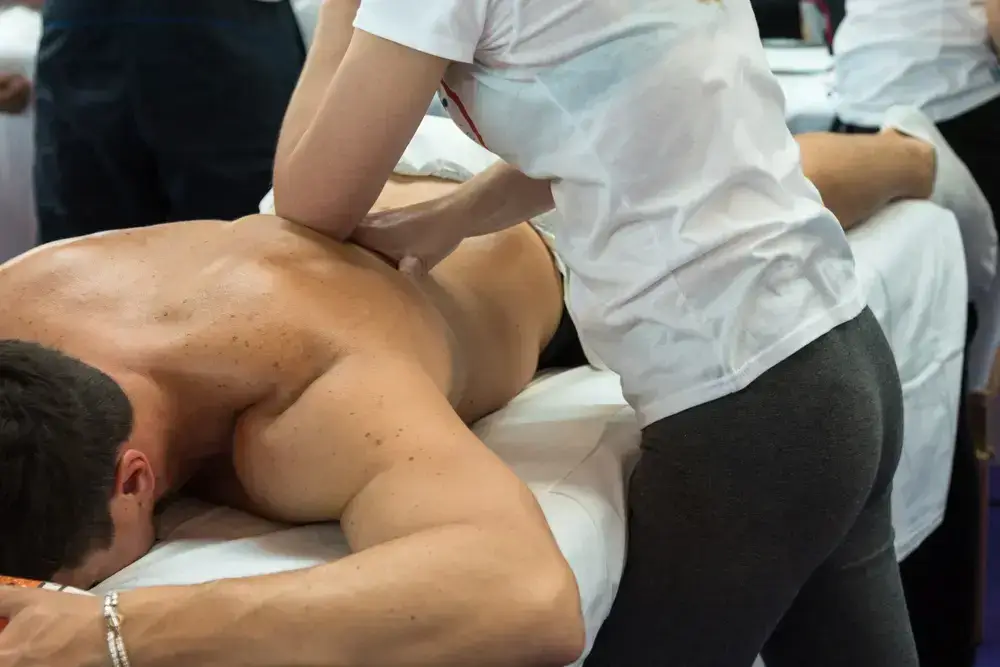
Deep tissue massage targets deeper muscle layers, tension, and soft tissue restrictions. It often uses firmer pressure. Lymphatic drainage massage uses lighter pressure because the lymphatic system responds better to gentle skin-level techniques.
A person with swelling or lymphedema should avoid forceful pressure over affected areas unless cleared by qualified healthcare providers. Too much pressure may irritate tissue or increase discomfort. This is why lymphatic drainage techniques need careful training.
Lymphatic massage focuses on lymph flow, excess fluid, and drainage. Deep tissue massage focuses more on muscle tension and mobility. Both have different goals, and the right choice depends on the person’s needs.
Who Should Speak With Healthcare Providers First?
People with serious health conditions should speak with healthcare providers before booking lymphatic drainage massage. This includes people with active infection, unexplained swelling, blood clots, heart failure, kidney disease, active cancer concerns, or sudden changes in swelling.
People with breast cancer history, breast cancer surgery, or radiation therapy should ask their medical team whether lymphatic drainage is appropriate. The same applies to people with lymphedema, recent surgery, or compression needs.
A therapist should never ignore medical red flags. Safe care starts with a proper intake, clear boundaries, and referral when needed. Lymphatic drainage massage therapy works best when the therapist understands both comfort goals and medical safety.
How Do You Choose a Therapist for Lymphatic Drainage Massages in Oakville?
Look for a trained massage therapist or therapist with education in manual lymphatic drainage. Ask about experience with lymphatic drainage massages, lymphedema, swelling, and post-surgical concerns. Training matters because lymphatic work uses specific direction, pace, and pressure.
A skilled therapist should explain the plan, review your history, and adjust the session based on your comfort. They should understand lymph nodes, lymph vessels, vessels and lymph nodes, and safe drainage routes. They should also know when to refer you back to healthcare providers.
For Oakville residents, location, clinic environment, and communication matter. Choose a clinic where the care feels organized, respectful, and clear. Ask whether the provider offers support for lymphatic drainage massage, lymph drainage, swelling, and overall well-being.
How Many MLD Sessions Do People Usually Need?
The number of mld sessions depends on the concern. Mild fluid retention may improve with a short series of visits. Chronic swelling, lymphedema, or post-surgical needs may require a longer plan with reassessment.
Some people book lymphatic drainage massage weekly at first, then reduce frequency as comfort improves. Others use massage as part of a routine that includes movement, compression, hydration, and home care. A therapist should set realistic expectations from the first visit.
Progress often depends on the cause of swelling. If excess lymph fluid builds up because of lymphatic damage, the plan needs more structure. If swelling comes from temporary fluid retention, the approach may differ.
What Should You Remember Before Booking Lymphatic Drainage Massage?
Lymphatic drainage massage is a gentle, focused massage approach for lymphatic flow, swelling, and fluid movement. It works with the lymphatic system, lymph nodes, and lymph fluid. It should never feel aggressive.
People with lymphedema, breast cancer history, surgery, or major health conditions should get medical guidance first. Lymphatic drainage may support comfort, yet it does not replace diagnosis or medical treatment.
If you live in Oakville and seek lymphatic drainage massage, ask questions before booking. Ask about training, experience, safety screening, and session goals. The right therapist will explain the process in plain language and build care around your needs.
Summary: Key Points to Remember
• Lymphatic drainage massage uses light pressure to support lymph flow and drainage.
• The lymphatic system helps move lymph fluid, filter waste, and support immune function.
• Lymphatic massage differs from deep tissue because it uses gentle movements rather than firm pressure.
• People often seek drainage massages for swelling, fluid retention, lymphedema, or post-surgical support.
• Lymphedema care often needs compression, movement, skin care, and medical guidance.
• People with breast cancer surgery or radiation therapy history should speak with healthcare providers before booking.
• Manual lymphatic drainage, or mld, should be done by a trained therapist.
• A qualified Oakville therapist should review your health history before the massage.
• Several sessions may be needed, depending on swelling, excess fluid, and health history.
• Lymphatic drainage massage therapy supports comfort and overall well-being when used safely.